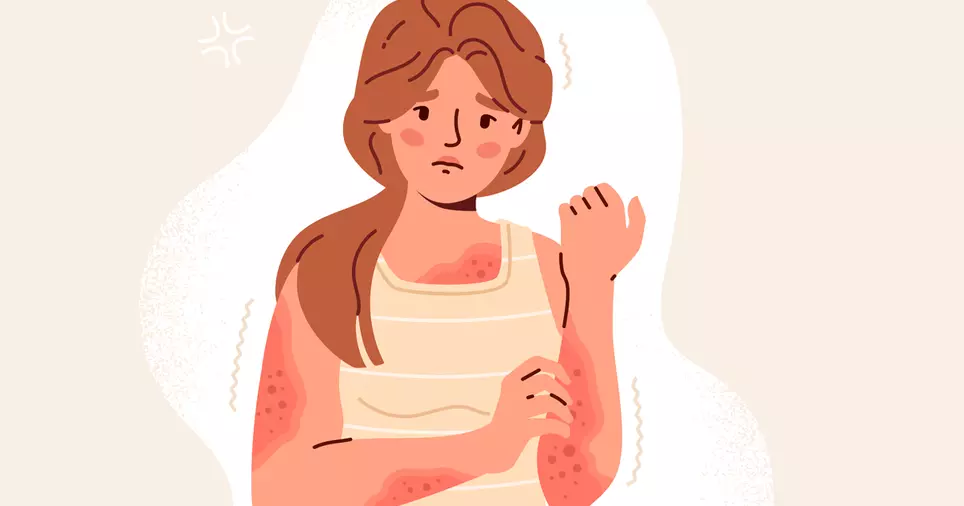
Eczema can be unpredictable and may go through periods of remission (where symptoms disappear) followed by flare-ups. While you experienced a long remission, various triggers can cause eczema to return, including:
• Environmental changes
• Stress
• Skin trauma or irritation
• Changes in immune system response
• Aging
• Show Full Answer
Eczema can be unpredictable and may go through periods of remission (where symptoms disappear) followed by flare-ups. While you experienced a long remission, various triggers can cause eczema to return, including:
• Environmental changes
• Stress
• Skin trauma or irritation
• Changes in immune system response
• Aging
• Contact with irritants (like poison oak)
The contact with poison oak likely triggered an immune response that reactivated your eczema. When your skin encounters a strong irritant, it can disrupt your skin barrier and trigger an inflammatory response that may persist even after the initial irritation heals. If you're experiencing a severe flare-up, it's recommended to:
• Consult a dermatologist for proper treatment
• Use prescribed topical medications as directed
• Review and adjust your skincare products
• Keep skin moisturized
• Avoid known triggers
• Document any new triggers or symptoms
Remember that even after long periods of remission, eczema management may require ongoing attention and care.
October 9, 2025







 Join




 Your Privacy Choices