
Powered By



In people with eczema, symptoms may be chronic (ongoing), or they can come and go in a pattern of flares and remission. Eczema flare-ups can last for weeks, and triggers vary from person to person. Common triggers include allergens, certain metals and fragrances, dust mites, weather changes, and stress. In severe cases, eczema symptoms can have a significant impact on quality of life, affecting not just the skin but also school, work, and relationships.
Eczema can cause a wide range of symptoms, with different types affecting specific areas of the body more commonly than others. Areas typically affected by this skin condition include the hands, feet, face, scalp, back, upper chest, wrists, ankles, arms, and legs. Some people are affected by eczema over large portions of their bodies.
Even though the severity of eczema varies, early identification and timely management of the immune system response behind the condition can help people find relief and considerably improve their quality of life. Here are nine common signs and symptoms of eczema.
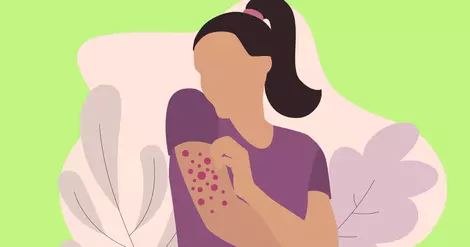
Eczema can cause an array of skin symptoms, especially rashes. Most commonly, an eczema rash includes one or multiple areas of discolored skin — it can appear red or pink on lighter skin tones and dark purple, brown, or gray on darker skin tones. People with dark skin may also develop small bumps or dark spots as the skin barrier heals, which can prolong the healing process.
Eczema rashes are usually very itchy and can cause dryness, swelling, and pain. Scratching the itchy rash can lead to bleeding, scarring, allergic reactions, and skin infections.
Different types of eczema produce distinct rashes. Nummular eczema (also called discoid eczema) features circular, raised patches with scaling. In contact dermatitis, the rash occurs where the skin has encountered allergens or irritants like detergents or soaps.
For managing eczema rashes, your doctor or dermatologist may recommend strategies such as applying a thick, fragrance-free moisturizer regularly and using medicated creams to reduce inflammation and speed healing.
Pruritus (itchiness) is a common symptom of several types of eczema. It’s especially intense in atopic dermatitis, the most common type of eczema. Neurodermatitis (also called lichen simplex chronicus) is another type of eczema that causes patches of intensely itchy skin, often resulting from repeated scratching. Seborrheic dermatitis and stasis dermatitis also frequently cause itchy skin.
Itching can be a sign of several skin diseases. Consulting a dermatologist (skin specialist) can help determine an accurate diagnosis, including whether eczema is the cause and, if so, what type. From there, they can work with you to develop a personalized treatment plan that meets your needs. Treatment may include applying cool compresses, using anti-itch creams or lotions, and keeping nails short to avoid skin damage from scratching.
Eczema can cause painful sensations, such as burning or stinging, especially in areas where the skin is broken. People with eczema may develop highly sensitive, tender, inflamed skin. Bruising can also occur.
Strategies for managing eczema-related pain include using a gentle cleanser and moisturizer, avoiding known irritants, and applying cool compresses to calm inflamed, sensitive areas.
Weeping (the oozing of clear fluid) occurs when high levels of inflammation and swelling cause blisters to form. This weeping is considered a complication of eczema rather than a separate condition.
Dyshidrotic eczema (also known as pompholyx or hand or foot eczema) causes small, itchy blisters on the hands and feet that can weep or ooze. This condition can often be managed with medication and preventive steps, including avoiding known triggers.
After the skin weeps, the fluid dries and may leave crusting behind. Weeping eczema is more prone to infections, so it’s important to contact your doctor if you see signs of infection, such as yellow or greenish pus. Infected weeping eczema can be painful and difficult to manage.
Severely dry skin can lead to cracked skin that may bleed. Over time, affected areas can thicken, take on a leathery texture, and develop scaly skin, a condition known as lichenification. This thickening is often seen in neurodermatitis, where repeated scratching creates tough, leathery patches in a persistent itch-scratch cycle.
People with neurodermatitis feel a strong urge to scratch itchy areas, but scratching increases the itchiness, perpetuating the cycle. This ongoing irritation can cause the skin to become raised, discolored, and rough in texture, often darker or lighter than the surrounding skin due to frequent scratching.
Applying a thick, fragrance-free moisturizer or skin care products like healing ointments may help with cracked skin. Consider using bandages to protect the area from further irritation.
Seborrheic dermatitis is a form of eczema that affects oily areas of the body like the face, scalp, and chest. The condition causes greasy, yellowish-white itchy patches of skin that flake off when scratched. In infants, this condition is often called cradle cap. Seborrheic dermatitis results from an overgrowth of Malassezia yeast, and special antifungal shampoos and prescription treatments are available to manage symptoms.
Scars — permanent marks that develop after healing — can occur in chronic or severe eczema, often due to excessive scratching. The risk for scarring is particularly high when eczema remains uncontrolled for long periods. Treating scars from eczema may entail using a dermatologist-recommended moisturizer, sunscreen, and gentle scar cream. Professional options like laser therapy or microneedling are also available.
Eczema often disrupts sleep because of intense nighttime itching and discomfort. Many people struggle to fall or stay asleep, leading to “painsomnia,” or insomnia caused by pain. Chronic lack of sleep can worsen eczema, raise stress levels, and lower immune system function, making flares more frequent and harder to manage. Over time, sleep loss also impacts mood, focus, and quality of life.
Practicing a soothing bedtime routine, using doctor-recommended sleep aids, and working with a dermatologist to manage nighttime itching can boost sleep quality and overall well-being. Taking antihistamines for nighttime relief may also help.
The visible symptoms of eczema — combined with the misconception that it’s contagious — can lower self-esteem and lead to social withdrawal. Some people may feel embarrassed by flare-ups, especially when others stare or react negatively, creating feelings of isolation. These challenges can contribute to anxiety and depression, especially given eczema’s long-term nature and potential impact on relationships, work, and everyday activities.
Seeking support from a mental health professional, connecting with support groups like MyEczemaTeam, and finding coping strategies that build self-confidence can help individuals manage these emotional impacts and feel more empowered in their daily lives.
Eczema can take many forms, but it’s important to remember that it’s not contagious. No matter how severe your symptoms may be, there are effective ways to find relief. If you or someone you know is experiencing any of these symptoms, consider seeing a healthcare provider or dermatologist who can recommend a treatment plan tailored to your needs.
On MyEczemaTeam, people share their experiences with eczema, get advice, and find support from others who understand.
What symptoms of eczema affect you most? How do you manage them? Let others know in the comments below.
Get updates directly to your inbox.


Is cetaphil restoraderm cream with colloidal cream good for eczema?


 Continue with Facebook
Continue with Email
Continue with Facebook
Continue with Email
Continue with Facebook
Continue with Email
Continue with Facebook
Continue with Email
Become a member to get even more





 Join
Join



 Your Privacy Choices

This is a member-feature!
Sign up for free to view article comments.
have you ever tried 100% aloe or organic virgin cold press coconut oil for her?
We'd love to hear from you! Please share your name and email to post and read comments.
You'll also get the latest articles directly to your inbox.