
Powered By



Eczema is an umbrella term for a group of inflammatory skin conditions. The most common type is atopic dermatitis, also known as atopic eczema. Eczema is caused by an overactive immune system and a compromised skin barrier.
Many people with eczema also have other health conditions that are often related to an overactive, sensitive immune system. Some of the diseases associated with eczema may have existed before the eczema diagnosis, but others may develop later as a result of the eczema or its treatments.
When someone has multiple health conditions at the same time, these conditions are known as comorbidities. When someone has a medical problem resulting from a disease that makes treatment more difficult, it’s known as a complication. In people with eczema, having a comorbidity can sometimes complicate eczema treatment and make a person more sick.
Children, adolescents, and adults with eczema are all more likely than their peers to have comorbidities. Plus, the more severe someone’s eczema symptoms are, the more likely they are to have worse health and to visit the doctor more often.
It’s very common to have both eczema and allergies, and it’s also common for asthma to come along with both or either of these conditions. Up to 60 percent of people with eczema go on to develop asthma or allergic rhinitis (also known as seasonal allergies or hay fever) or asthma, and up to 30 percent of people with eczema will develop food allergies.
Eczema, allergies, and asthma are all related diseases caused by the overactivity of the immune system. In fact, the word “atopic” in “atopic dermatitis” refers to the fact that this type is associated with allergies.
Normally, the immune system attacks germs and foreign particles while leaving the body’s healthy tissues alone. However, in atopic diseases, the immune system mistakenly becomes activated by other substances called allergens:
These conditions often occur in a specific order. A person typically develops eczema first and is then diagnosed with food allergies, seasonal allergies, and finally asthma. Together, this pattern is called the “atopic march” or “atopic triad.”
The atopic march doesn’t always occur in this exact pattern. Some people with eczema do not develop allergies or asthma. A person may also develop allergies or asthma before getting eczema.
If you or your child has eczema, it may help to watch for symptoms of other immune-related conditions. Talk to your doctor if you notice any health changes:
Eczema has also been linked to several other conditions that also affect the immune system. Autoimmune disorders are conditions in which the immune system attacks the body’s healthy tissue. Eczema leads to an increased risk of developing:
One of the main purposes of the skin is to protect the body by keeping out germs. Eczema damages the skin barrier, leading to wounds and cracks in the skin. This increases the risk that bacteria, fungi, or viruses will enter the body and cause an infection.
In particular, people with eczema are at risk of infections from Staphylococcus aureus, a type of bacteria that is the most common cause of infections that happen to people with eczema. Staph infections, as they are known, can cause issues like abscesses and boils.
If you have eczema, you may need to take extra steps to help prevent skin infections:
Some people with eczema develop eye conditions. These may include:
To protect your eyes, try not to touch them or rub them. If you notice any eye or vision changes, talk to your dermatologist or ophthalmologist (eye doctor).
Children with eczema, allergies, or asthma have a slightly higher chance of developing seizures. The more immune conditions a child has, the more likely seizures become. It’s not entirely clear what causes epilepsy (a seizure disorder), but researchers believe that inflammation may trigger it in some cases.
An eczema diagnosis can make it more likely that a child will develop anemia (low levels of red blood cells). Anemia can cause extreme tiredness and weakness, dizziness, pale skin, shortness of breath, an irregular heart rhythm, and headaches.
Some research has found that people with eczema are more likely to develop lymphoma, a blood cancer that affects the immune cells, but this link is not well documented or well understood. It’s possible that the inflammation seen in eczema can cause cells to turn cancerous. Immunosuppressive eczema treatments like cyclosporine may slightly increase cancer risk.
Other studies have found that people with eczema are actually less likely to develop other blood cancers like acute lymphoblastic leukemia.
Eczema can lead to weaker bones for both children and adults. People with eczema may be more likely to experience broken bones and an increased risk of osteoporosis. Doctors think that bone problems may also occur as a complication of taking corticosteroids, a common eczema treatment. Eczema is also linked to a higher risk of osteoporosis and broken bones because chronic inflammation throughout your body can disrupt the way your body makes and breaks down bone, leading to bone loss.
If you or your child is taking steroid medications for eczema, ask your doctor about potential long-term health risks. You can help keep your bones strong by eating foods with high levels of calcium and vitamin D, taking calcium or vitamin D supplements, and getting regular physical activity. Researchers are also developing medications for atopic dermatitis that do not contain steroids, which could lead to fewer complications.
Eczema may be associated with increased risk of heart disease, like angina, stroke, and heart attack (myocardial infarction). This may be partly because people with eczema are more likely to have lifestyle factors that can lead to heart disease, such as smoking, drinking alcohol, and getting less physical activity. Also, certain medications used to treat atopic dermatitis can have side effects on the heart. Whether eczema actually raises the risk of heart disease itself is less clear.
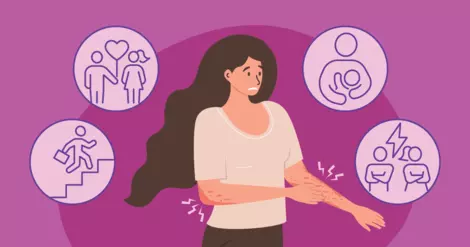
People with eczema are more likely to develop mental or behavioral disorders, including anxiety, depression, and attention-deficit hyperactivity disorder.
Doctors don’t know exactly how eczema can cause mental health issues. Some possibilities:
Mental health support can come in several forms. Some people with eczema choose to see a counselor or therapist. Others may participate in a support group. Doctors may also recommend medication such as antidepressants.
Often, eczema occurs on its own. However, some people may develop skin problems as a result of another disorder.
Health conditions that may lead to eczema include:
Comorbidities can cause additional strain for people with eczema. They can lead to worse overall health and increased health care costs.
If you have other health conditions, it is important to work with your doctor to make sure these other issues are also being treated. Managing comorbidities may improve your health and lead to a better quality of life.
On MyEczemaTeam, people share their experiences with eczema, get advice, and find support from others who understand.
If you have other conditions alongside eczema, how have you been able to manage them? Let others know in the comments below.
Get updates directly to your inbox.


What is Netherton Syndrome?


 Continue with Facebook
Continue with Email
Continue with Facebook
Continue with Email
Continue with Facebook
Continue with Email
Continue with Facebook
Continue with Email
Become a member to get even more





 Join
Join



 Your Privacy Choices

This is a member-feature!
Sign up for free to view article comments.
Have lived most of my life with eczema. No one ever mentioned a lot that is talked here. Thanks for a way to learn more.
We'd love to hear from you! Please share your name and email to post and read comments.
You'll also get the latest articles directly to your inbox.