It's great that you're exploring this connection — you're definitely not alone in wondering about it!
While coeliac disease itself isn't listed as one of the most commonly cited comorbidities of eczema, there does appear to be a link worth paying attention to. Research suggests that people with eczema are much more likely Show Full Answer
It's great that you're exploring this connection — you're definitely not alone in wondering about it!
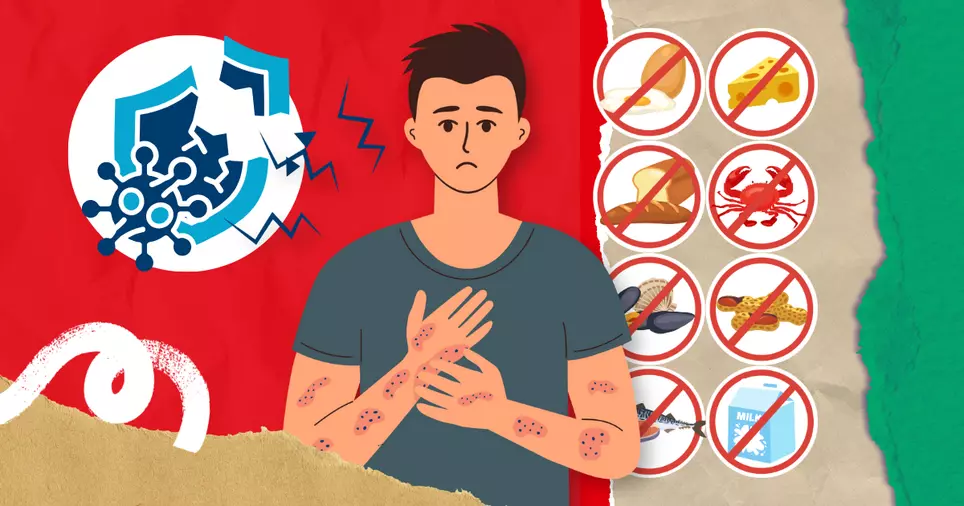
While coeliac disease itself isn't listed as one of the most commonly cited comorbidities of eczema, there does appear to be a link worth paying attention to. Research suggests that people with eczema are much more likely than the general population to have an immune response to gluten. There's also a specific type of itchy, blister-like rash called dermatitis herpetiformis that is directly linked to gluten. For some people, symptoms improve on a gluten-free diet — though not always completely.
It's worth noting that eczema is driven by an overactive immune system, which is also at the root of many autoimmune conditions. So having more than one immune-related condition isn't unusual.
A few things to keep in mind:
- Some people with eczema and a gluten sensitivity see skin improvements after cutting out gluten
- If gluten doesn't seem to be a trigger for your eczema, dietary changes may not make a big difference
- Always check in with your doctor before making significant dietary changes, especially with coeliac disease in the mix
May 31





 Continue with Facebook
Continue with Email

 Join






 Your Privacy Choices