
Powered By



Eczema on the scalp can lead to itching, flaking, and thick, scaly patches. The most common form of eczema on the scalp is called seborrheic dermatitis. One of the best ways to combat this condition is to find a shampoo that reduces the inflammation or scalp fungus that’s causing your symptoms.
MyEczemaTeam members have sparked discussion about their scalp eczema and asked what to look for in a shampoo. “Are there shampoos and conditioners specifically for people with eczema? I get a red rash around my hairline and ears after I use regular products,” claimed a member. Another asked, “Wondering what shampoo people use to control the itch? I only have problems with my scalp.”
Read on to find out what to look for and to see what MyEczemaTeam members have said about different shampoos.
To find the best shampoo for seborrheic dermatitis on the scalp, look for ingredients that will work on symptoms like itchiness or flakes. Keep reading to find out the most common active ingredients in shampoos that help relieve eczema on the scalp. It’s best to use several different shampoos and alternate each time you shampoo your hair.

Ketoconazole is an antifungal medication that works by inhibiting a fungus that grows on the scalp and is associated with seborrheic dermatitis. Several studies have shown its effectiveness in managing seborrheic dermatitis.
One MyEczemaTeam member shared their experience with ketoconazole shampoo for eczema: “My dermatologist stated that I had a yeast infection on my scalp and prescribed ketoconazole cream 2 percent. It’s my second day using it, and I actually can say I am only itching slightly.”
Like ketoconazole, azole medications are also mild anti-inflammatories, meaning they can help make your flaky scalp less itchy and irritated. The 1 percent ketoconazole is available over the counter (OTC) without a prescription, whereas the 2 percent requires a prescription.
Ciclopirox is another antifungal ingredient that has been proven to help manage seborrheic dermatitis. Although it is equally effective as ketoconazole, individuals rate their experiences with ciclopirox higher than those with ketoconazole.
Currently, ciclopirox is only available in prescription medicated shampoos and scalp treatments for eczema.
Selenium sulfide is another antifungal option that can be found in over-the-counter anti-dandruff shampoos and other flaky scalp treatments. Selenium sulfide can be effective when used as infrequently as twice a week.
According to a study comparing the results of using selenium sulfide shampoo versus ketoconazole shampoo for scalp eczema, both shampoos improved symptoms, but selenium sulfide had a better cosmetic effect on the hair. People who used selenium sulfide reported softer and glossier hair as well as less scalp sensitivity.
Zinc pyrithione is a common ingredient found in over-the-counter anti-dandruff shampoos. The way it works is unclear. It’s believed to have both antifungal and antimicrobial properties.
Zinc pyrithione doesn’t work as well as ketoconazole for most people, although it may be effective in combination with either ketoconazole or ciclopirox.
Medicated shampoos containing corticosteroids, such as hydrocortisone, can be more effective than even ketoconazole in treating eczema. If a steroid is too strong for daily use, alternating it with an antifungal shampoo has also been shown to be an effective method of treating seborrheic dermatitis of the scalp.
Shampoos containing corticosteroids are generally only available with a prescription. Prescription corticosteroids are also available in liquid and foam formulations for the scalp.
Coal tar is a derivative of wood and coal that’s used to reduce fungus growth and scalp inflammation. Coal tar is just as effective as ketoconazole when it comes to reducing fungal growth.
One MyEczemaTeam member shared that when he struggled to get an appointment to treat his eczema, he “bought some coal tar cream” instead and found it useful.
Salicylic acid is another ingredient found in over-the-counter and prescription shampoos for seborrheic dermatitis and eczema. This acid exfoliates the top layer of the skin and helps peel away the scales associated with seborrheic dermatitis.
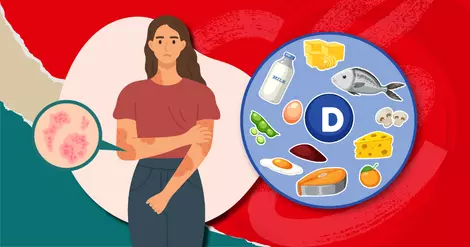
People diagnosed with seborrheic dermatitis of the scalp may seek natural treatments for their flaking and itchy scalp, including vitamins for eczema. One MyEczemaTeam member said that “tea tree oil is helpful,” while another mentioned they use “silver gel from Amazon.”
However, it’s important to note that many natural active ingredients haven’t been studied. Some natural ingredients may not affect scalp eczema, and some may be harmful.
In addition, natural ingredients can cause moderate to severe side effects or allergic reactions in some people. For example, tea tree oil, which is generally considered safe, can add to skin irritation instead of resolving it. Speak with your doctor or dermatologist before beginning any treatments for your eczema, even if they’re natural.
Many shampoos contain the detergent sodium lauryl sulfate. A sulfate-free shampoo may be gentler on the scalp if you have more sensitive skin.
Follow these tips to use your medicated shampoo effectively:
One MyEczemaTeam member shared how dandruff shampoos can be hard on her hair type: “Dandruff shampoos are so drying to my curly hair. I’m trying to find the right formula to keep my curls hydrated, but my scalp is having a hard time balancing between dry and hydrated.”
Talk to your healthcare provider or dermatologist about finding hair products for your hair type and how to fit them into your routine.
Before trying any shampoo for scalp eczema, it’s important to get a formal diagnosis from a dermatologist. Scalp eczema can look like other conditions, including scalp psoriasis. Your doctor or dermatologist will usually suggest that you first try over-the-counter products for your eczema or implement strategies like avoiding eczema triggers, such as stress. OTC products tend to be cheaper and are often available at the drugstore.
If you find that OTC products aren’t working well for you, a prescription treatment may be appropriate.
An eczema shampoo prescription can take several forms. Medicated shampoos for seborrheic dermatitis on the scalp may have higher concentrations of the same active ingredients as over-the-counter shampoos for scalp eczema. They may also contain other active ingredients, like ciclopirox or roflumilast. Some prescription remedies may also take the form of a lotion, foam, gel, cream, or atopic dermatitis soap that you apply between shampoos or even as medication that you take as a pill.
MyEczemaTeam members have tried many different shampoos for their scalp eczema. Here are some hair care tips and insights they’ve shared:
MyEczemaTeam is the social network for people with eczema and their loved ones. On MyEczemaTeam, members come together to ask questions, give advice, and share their stories with others who understand life with eczema.
Do you have eczema on the scalp? Which shampoos do you use most often? Share your experience in the comments below, or start a conversation by posting on your Activities page.
Get updates directly to your inbox.


What hairspray can I use


 Continue with Facebook
Continue with Email
Continue with Facebook
Continue with Email
Continue with Facebook
Continue with Email
Continue with Facebook
Continue with Email
Become a member to get even more




 Join
Join



 Your Privacy Choices

This is a member-feature!
Sign up for free to view article comments.
I have had my first outbreak of stress induced seborrhic dermatitis on my scalp and all over my back and some of my arms. It is just starting to respond after 2 weeks now to twice weekly Nioxin… read more
We'd love to hear from you! Please share your name and email to post and read comments.
You'll also get the latest articles directly to your inbox.