
Powered By



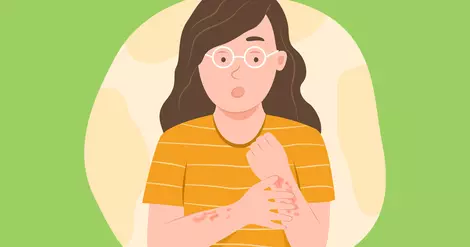
Atopic dermatitis, the most common form of eczema, is a chronic skin condition that can come and go for years or throughout your life. Hormones, which naturally shift during different stages of life, can affect atopic dermatitis flares and symptoms.
When you have atopic dermatitis, your immune system is overactive, causing inflammation that weakens the protective skin barrier. This results in symptoms like dry skin, rashes, and itching. Skin may also crack, weep, or feel painful. Atopic dermatitis is very common — around 16.5 million adults in the United States are living with it.
Hormones can affect three key aspects of atopic dermatitis — an overactive immune response, intense itching, and skin barrier function.
Sex hormones — including estrogen, progesterone, testosterone, and other androgens — affect both the immune system and the skin. These hormones can influence how well the skin barrier keeps out allergens and irritants. They also play a role in inflammation and skin dryness. It’s common to notice changes in atopic dermatitis symptoms during life stages when hormone levels fluctuate.
Estrogen and progesterone can increase certain immune system responses. Testosterone and other androgens tend to suppress or calm immune activity. Because atopic dermatitis involves an overactive immune system, shifts in these hormones can affect flares.
Estrogen helps strengthen the skin barrier by improving hydration and thickening the skin. Testosterone and other androgens usually increase oil production. In eczema, dry skin generally happens because the skin barrier is weakened — not because of testosterone.
Hormones don’t directly cause itching, but they can raise levels of chemicals that trigger itch. For example, estrogen can increase the release of histamine, which can make skin feel itchier.
Levels of hormones change during different stages of life — especially puberty, the menstrual cycle, pregnancy, and menopause.
During adolescence, sex hormones rise sharply for the first time. These rising levels can affect both the immune system and the skin. Oil production often increases, which may help reduce dryness. Sometimes, eczema that started in childhood gets better or even goes away after puberty.
For many children, eczema improves in their teen years. For some, it continues or comes back. In some cases, atopic dermatitis develops for the first time or worsens during puberty. Everyone’s course is different.
Hormonal fluctuations may account for some key differences in atopic dermatitis rates before and after puberty. Before puberty, atopic dermatitis is slightly more common in boys, according to a 2019 study in the International Journal of Molecular Sciences. After puberty, it’s slightly more common in females.
“I’ve had eczema since I was a baby. At first, it was always seasonal. Once I hit puberty, I developed hand eczema, and it spread to other areas,” one MyEczemaTeam member shared.
“I have a nearly 13-year-old daughter,” another member said. “She has had eczema since early childhood in the usual hot spot of the creases of her elbows and occasional dry/flaky face. Over the last few months, however, this has changed, and she now has some eczema on her neck creases. We’ve managed to control her face with moisturizer and have ointments for her elbows.”
Some products that people start using during their teen years can also trigger eczema flare-ups or make symptoms worse. Deodorants, perfumes, aftershaves, makeup, and topical acne medications can all irritate sensitive skin.
Many people with atopic dermatitis notice that their eczema symptoms worsen during pregnancy. This has to do with how increased estrogen levels affect the immune system. In studies, 52 percent to 61 percent of females with atopic dermatitis reported worse symptoms during pregnancy.
During pregnancy, the immune system shifts to protect the baby. The part that fights infections like viruses and bacteria becomes less active, while the part that usually reacts to allergens gets more active. This helps prevent the immune system from attacking the fetus, but it can also increase sensitivity to allergens. As a result, something that didn’t affect your eczema before pregnancy may trigger a flare while you’re pregnant.
Members of MyEczemaTeam have shared comments like these to describe how their eczema symptoms change and flare during pregnancy:
In the 2019 study, researchers noted that about half of females with atopic dermatitis who menstruate reported worsening eczema symptoms in the days leading up to their period. In survey results published in Acta Dermato-Venereologica, nearly half of women reported worsening symptoms during their period.
After ovulation and just before your period — a stage called the luteal phase — estrogen levels drop quickly, which helps start menstruation. This is when flare-ups may be more likely. Estrogen helps support the skin barrier, so lower levels at certain points in the menstrual cycle can make skin more sensitive and trigger eczema flare-ups.
MyEczemaTeam members often discuss their experiences and compare notes, such as:
During menopause, estrogen levels drop, which can make skin thinner, drier, and more fragile. Many people with eczema notice changes in their symptoms during menopause or perimenopause.
Hormone replacement therapy (HRT) may help with general menopausal skin symptoms such as dryness and thinning. However, HRT’s effect on eczema is less clear and can vary from person to person.
Experiences vary widely. For some people, atopic dermatitis improves as they age. For others, symptoms may become worse.
One MyEczemaTeam member shared, “I’m going through menopause, and my skin is flaring up badly. I’ve had eczema since I was 5 and have had times where my skin was clear, but this is the worst it's ever been.”
Another member responded, “I was diagnosed with eczema a few months ago, and my menopause is in full swing. It feels as though my body is in constant battle with itself.”
A third member added, “I never had any problems until I was 50, and after menopause got worse. The meds and creams that I responded to stopped working.”
If you’re entering a stage of life when flare-ups are more likely, consider adjusting your skin care ahead of time or being extra careful to avoid known triggers. Using thick moisturizers, taking lukewarm oatmeal baths, and managing stress are all ways to help prevent atopic dermatitis flare-ups that hormone changes may trigger.
If you have trouble controlling your atopic dermatitis symptoms or are thinking about changing your treatment plan, talk with your healthcare provider. You may also consider seeing a specialist, such as a dermatologist, who can help identify new triggers and track your flare-ups to better understand patterns.
Your healthcare team can also help you find a new skin care routine, recommend moisturizers and products to use or avoid, and suggest medications that may help.
On MyEczemaTeam, people share their experiences with eczema, get advice, and find support from others who understand.
Have you had hormone-related changes to your eczema symptoms? Let others know in the comments below.
Get updates directly to your inbox.


 Continue with Facebook
Continue with Email
Continue with Facebook
Continue with Email
Continue with Facebook
Continue with Email
Continue with Facebook
Continue with Email
Become a member to get even more





 Join
Join


 Your Privacy Choices

This is a member-feature!
Sign up for free to view article comments.
I'm thrilled to share my incredible experience with Dr. Progress's herbal medicine! After being diagnosed with herpes, I felt hopeless and struggled with the symptoms. However, after using Dr… read more
We'd love to hear from you! Please share your name and email to post and read comments.
You'll also get the latest articles directly to your inbox.