
Powered By



A dry, itchy scalp can be caused by several skin conditions, including psoriasis, head lice, and fungal infections. One common cause is atopic dermatitis, also known as eczema.
Eczema can occur on the scalp and affect people of all ages. “I’ve had eczema on my scalp for six months,” one MyEczemaTeam member shared. “What can I do to help relieve the itching, flakiness, and dryness?”
This article covers the symptoms, types, and causes of scalp eczema, along with treatments that can help you manage your symptoms.
Scalp eczema can be itchy, irritating, and painful. Some people also feel embarrassed by visible scalp eczema symptoms, like skin flaking, which can be hard to hide. The most common symptoms associated with scalp eczema include:
Eczema on your scalp often looks like small white flakes that fall off when you scratch. These flakes may land on your hair, neck, or shoulders. In infants, the eczema may appear yellowish and scaly — a condition often called cradle cap.
Several types of eczema can trigger these uncomfortable symptoms.
Seborrheic dermatitis is a common type of scalp eczema. This type of eczema affects roughly 4.4 percent of the general population and can occur in infants, children, and adults. Seborrheic dermatitis often appears in areas of the body with many oil glands, such as the scalp and the sides of the nose. It’s caused by a reaction to a type of yeast (called Malassezia) that naturally lives on the skin.

Sebhorrheic dermatitis can appear in babies as young as 3 weeks old. In infants, it’s often called cradle cap. Cradle cap can affect up to 70 percent of young infants. Some even consider it a normal part of development. Although many infants and children outgrow scalp eczema, it can return during puberty and continue into adulthood. In teenagers and adults, this condition is also commonly known as dandruff.

Atopic dermatitis — also called atopic eczema — is another common type of scalp eczema. It can affect both children and adults. People with atopic eczema are often more likely to have asthma and hay fever as well. Severe itchiness with dry, irritated skin is a classic sign of atopic dermatitis.

Allergic contact dermatitis happens when your skin has an allergic reaction to substances that touch your skin. Some everyday items that might cause allergic contact dermatitis on the scalp include:
Allergens can be found in any products you use on your hair, scalp, or skin. It’s important to talk to your doctor about the products you use. They can help figure out if there are allergens in your hair care products that may be causing a reaction and which ones to avoid.
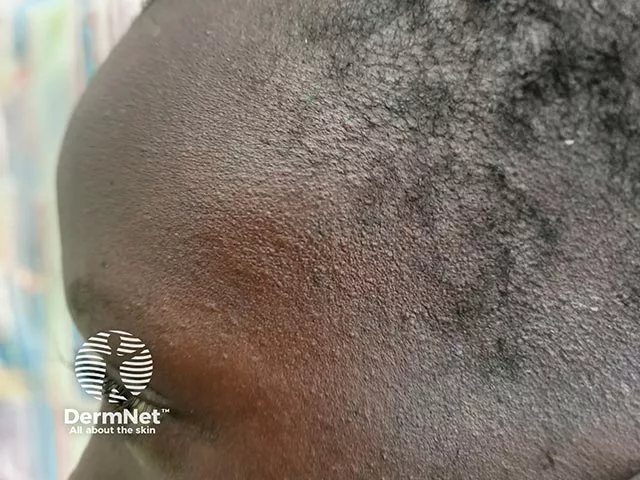
Irritant contact dermatitis is another type of contact dermatitis. It’s similar to allergic contact dermatitis, but there’s no allergic reaction. Instead, the skin becomes itchy and inflamed when it comes into contact with an irritating substance. The same products that trigger allergic contact dermatitis may trigger irritant contact dermatitis. Avoiding the irritating substance is the best way to combat irritant and allergic contact dermatitis.
The exact cause of eczema is unknown. Scientists believe it happens due to a mix of genetic and environmental factors. These factors can weaken the skin’s natural barrier and trigger inflammation.
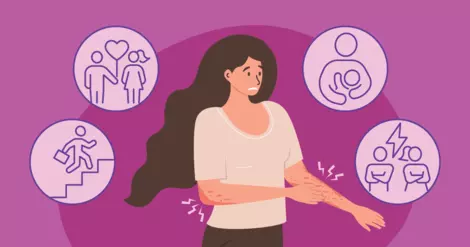
Several factors can trigger eczema flare-ups on the scalp, including:
You may also be more likely to get scalp eczema if you have certain medical conditions, such as:
If you’re having these symptoms, you may wonder: How do you treat eczema on the scalp? Eczema often comes and goes, and there’s no cure to make it go away for good. If you’re having symptoms of scalp eczema, it’s important to see a doctor or dermatologist. They can confirm the diagnosis, rule out other skin conditions, and help you find the best treatment.
Cradle cap in babies usually goes away on its own. But for children and adults with scalp eczema, specific treatment may be needed. Scalp eczema is usually treated with:
To treat allergic or irritant contact dermatitis, it’s important to avoid the allergen or irritant that’s causing your symptoms.
Along with medical treatment, dermatologists recommend these self-care tips for managing scalp eczema:
One MyEczemaTeam member shared the routine that helps them the most: “I use squalane for my scalp and almost always wear an organic cotton head wrap to stop myself from gouging chunks of hair out. I also keep my nails as short as possible.”
MyEczemaTeam is the social network for people with eczema and their loved ones. Here, people from around the world come together to ask questions, offer support and advice, and connect with others who understand life with eczema.
Do you get eczema on your scalp? How do you manage your symptoms? Share your experience in the comments below or start a discussion on your Activities page.
Get updates directly to your inbox.


what hair care products m i suppose to use i have a thick curly hair and m also having a lot of hairfall during seborrheic dermatitis


 Continue with Facebook
Continue with Email
Continue with Facebook
Continue with Email
Continue with Facebook
Continue with Email
Continue with Facebook
Continue with Email
Become a member to get even more



 Join
Join

 Your Privacy Choices

This is a member-feature!
Sign up for free to view article comments.
I have some itching in my scalp - low down near the bottom of my short cut hair. I also have itching & flaking in both ears
Does anyone have these problems. I think some of mine has been caused by… read more
We'd love to hear from you! Please share your name and email to post and read comments.
You'll also get the latest articles directly to your inbox.